Why Security Is Paramount in Financial and Medical Construction Projects
March 19, 2025
The Importance of Security in Commercial Construction Services Security is a cornerstone of commercial construction services, particularly in financial and…


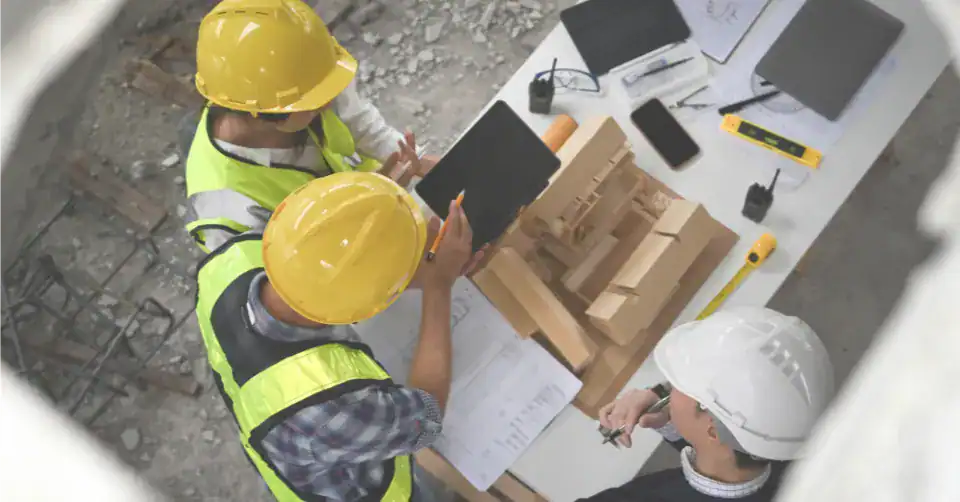
The world of commercial construction is evolving rapidly. Today, it’s not enough for buildings to be functional and aesthetically pleasing; they must also be secure, resilient, and adaptable. High-stakes industries such as finance, healthcare, and critical infrastructure demand new standards in facility design and construction. These sectors face increasingly sophisticated physical and cyber threats, pushing commercial builders to rethink traditional approaches.
As a result, the concept of secure commercial construction has transformed from a niche consideration to a fundamental industry priority. In this new landscape, security is no longer bolted on after the fact. Instead, it’s designed into every layer of a project, from blueprints to final inspections.
This blog explores the most impactful trends in secure commercial construction, providing decision-makers with the knowledge needed to future-proof their facilities and protect what matters most.
Security used to be considered a responsibility for IT departments and facilities managers, something that could be addressed after a building was already standing. However, the modern threat environment has changed this mindset completely. Today, commercial construction contractors are expected to think like risk managers.
This shift toward security-first construction reflects a growing awareness that the most cost-effective and reliable way to safeguard people, data, and property is by designing protection into the facility itself. Banks, credit unions, hospitals, and data centers now expect security measures to be integrated from the start, not added as an afterthought.
Secure commercial construction begins during site selection and planning. It continues through the specification of materials, zoning of interior spaces, design of entry and exit points, integration of surveillance systems, and collaboration with IT and compliance teams. This holistic, security-forward approach is becoming the standard, not the exception.
One of the most significant trends in secure construction is the integration of smart technologies that enhance surveillance, access control, and response capabilities.
Facilities are being equipped with:

These technologies not only improve day-to-day security, but they also allow institutions to respond quickly to emergencies and better manage access across large or multi-site campuses.
Crucially, these tools must be considered early in the construction process. Architects, engineers, and builders must coordinate closely with IT teams and physical security consultants to ensure that buildings are hardwired for secure communication and control.
Another major trend is adaptive architecture, building designs that allow secure spaces to evolve as operational needs change.
In the past, security infrastructure was rigid and expensive to modify. But today’s facilities are designed for flexibility. Think modular partitions, convertible secure zones, and infrastructure that allows for rapid reconfiguration of access controls.
For example, in a modern bank branch, private offices may be designed to double as command centers during a crisis. Teller lines may be repositioned based on customer traffic patterns. A hallway might become a restricted zone overnight, controlled by programmable electronic locks and new surveillance nodes.
This type of adaptability ensures that security can scale with growth or respond to changing threats without requiring full-scale renovation.
Security is no longer just about systems; it’s also about what buildings are made of. New materials and construction techniques are raising the bar for physical protection:
The beauty of these innovations is that they allow for discreet security. Buildings don’t have to look like bunkers to be safe. Well-designed secure spaces can appear modern, clean, and customer-friendly while delivering high levels of protection behind the scenes.
Working with a contractor who understands financial organizations’ needs can significantly impact project outcomes. These specialists aren’t just skilled in construction. They understand the client’s operations, priorities, and pain points.
They ensure background-checked crews, respect for confidentiality policies, and knowledge of multi-site rollouts. Most importantly, they offer consistency. Whether renovating one branch or executing a multi-state rollout, a preferred construction partner ensures uniform design standards, consistent communication, and timely delivery.
These partners can also advise on future-proofing facilities—planning layouts that accommodate evolving customer service technologies, mobile banking integrations, and enhanced teller systems. With the rapid pace of change in both finance and construction technology, having a contractor who understands both is invaluable.
A rising trend is the intersection of sustainability and security. Green building practices, such as energy-efficient lighting, HVAC zoning, and natural daylighting, are being integrated with physical protection strategies.
For example:
Sustainable design no longer exists in isolation from security planning. Both goals can be achieved in tandem with the right materials, planning, and contractor expertise.
As the expectations around secure building design rise, so too does the role of the commercial construction contractor. Today’s contractors must operate at the intersection of technology, compliance, and construction.
They are expected to:
In sectors like finance or healthcare, contractors may even need to comply with internal security policies, non-disclosure agreements, and restricted information handling. As such, construction teams must be trained in protocols that go far beyond typical jobsite safety.
Trust and discretion are as essential as speed and precision.
Today’s facilities must be built for what’s next, not just what’s now. Long-term planning is emerging as a key value in secure construction. Stakeholders increasingly demand:
This future-ready mindset goes hand-in-hand with risk management. A facility designed for adaptability will be better equipped to handle audits, respond to breaches, and comply with evolving regulations.

Additionally, forward-looking construction projects help reduce lifecycle costs. By anticipating future upgrades, whether for security, capacity, or compliance, owners save money on renovations and downtime later.
A secure building is a strategic asset. It’s a structure that can defend against today’s risks and adapt to tomorrow’s demands without breaking stride.
In today’s landscape, the smartest buildings are also the most secure. And the most secure buildings are those where protection was planned from the very first sketch.
Whether you’re managing a multi-state network of bank branches or building a new facility for critical healthcare services, embracing secure commercial construction is no longer optional. It’s essential.
By partnering with a contractor who understands the future of commercial construction, organizations position themselves not only to meet today’s safety standards but to lead the way in performance, efficiency, and resilience.
Let’s start planning your secure, future-ready facility today. Contact our team to schedule a consultation and explore construction solutions tailored to your operational needs.
Get in touch with LeeBuilt Construction today for a free consultation, and let us help you create the perfect custom home designed just for you.
In the high-stakes world of secure commercial construction, success is built on more than technical expertise—it’s built on communication.…
Financial institutions and healthcare facilities operate in environments where even minor disruptions can have serious consequences. That’s why facility…
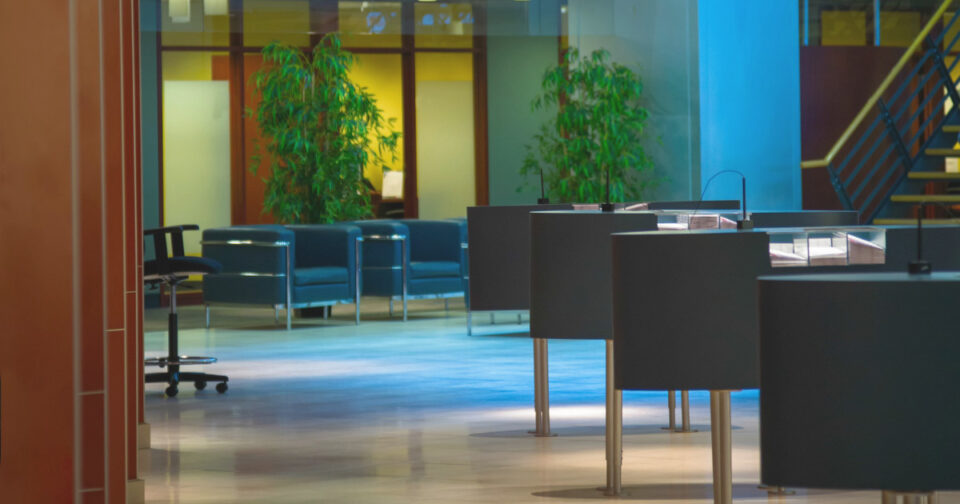
Creating Secure and Efficient Banking Spaces Through Tenant Infill and Remodeling Financial institutions are constantly evolving to meet customer…
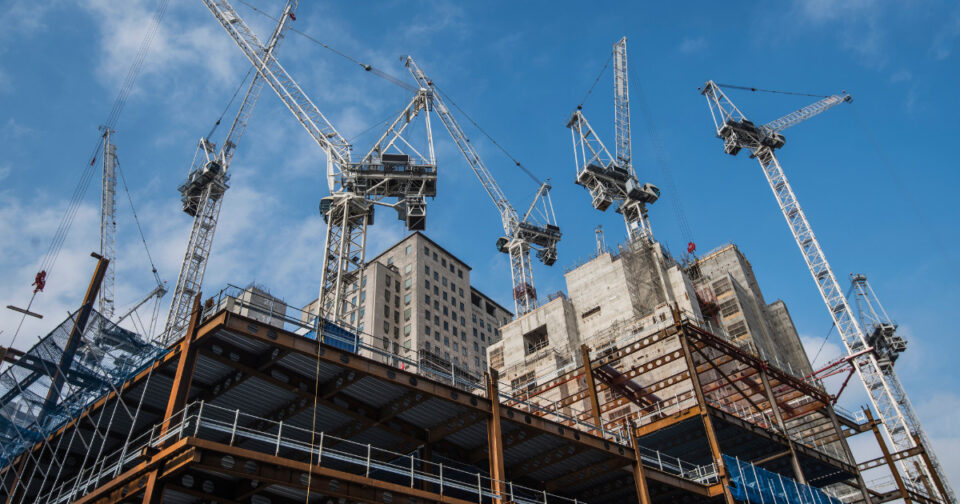
In the world of finance, security, efficiency, and regulatory compliance are not just priorities—they are necessities. Financial institutions require…
