Building for Tomorrow: Trends in Secure Commercial Construction
August 5, 2025
The world of commercial construction is evolving rapidly. Today, it’s not enough for buildings to be functional and aesthetically pleasing;…


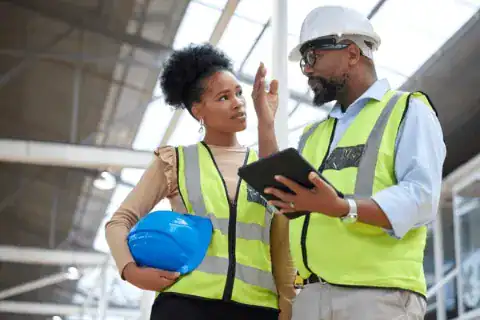
In the high-stakes world of secure commercial construction, success is built on more than technical expertise—it’s built on communication. Whether constructing a new financial facility, remodeling a healthcare center, or upgrading a secure operations hub, every project relies on consistent, transparent communication to keep timelines, budgets, and compliance on track.
Miscommunication is one of the most common causes of cost overruns, rework, and schedule delays in commercial construction. For secure environments, those breakdowns can also mean compromised safety or non-compliance with regulatory requirements. Proactive communication, when embedded into project management, transforms how teams collaborate, anticipate issues, and maintain the trust essential to secure operations.
In traditional construction projects, communication often happens reactively—issues are discussed only after they arise. But in secure commercial construction, where compliance and confidentiality are paramount, reactive communication is simply too risky.
Proactive communication means setting clear expectations early, maintaining open lines of dialogue throughout the project, and ensuring all stakeholders—owners, contractors, subcontractors, and inspectors—share a single, accurate understanding of project status and requirements. This continuous exchange of information helps mitigate risk and enhances coordination among diverse teams working under tight security and confidentiality conditions.
Many construction challenges trace back to a breakdown in communication. Unclear documentation, incomplete specifications, or inconsistent updates can quickly snowball into costly mistakes. For example, a missing detail about a vault’s structural reinforcement or an unapproved change in material specification could trigger compliance issues with financial or government regulations.
In secure projects, these communication gaps don’t just delay progress—they can compromise the integrity of the entire facility. That’s why leading contractors prioritize communication protocols just as rigorously as safety procedures. When communication lapses, so does security.
Proactive project management means anticipating problems before they happen. In practice, it involves structured coordination meetings, detailed reporting, and accountability across every phase of construction. For instance, at the design stage, project managers work closely with architects, engineers, and security consultants to clarify performance requirements, compliance standards, and scheduling milestones.

During construction, proactive communication keeps everyone aligned on safety checks, material deliveries, and vendor coordination. Teams use shared project dashboards to update progress in real time, ensuring no information is lost between departments or subcontractors. This approach reduces guesswork, minimizes duplication of effort, and allows quick decision-making—critical in high-security environments.
By prioritizing proactive communication, a commercial construction contractor can prevent small misunderstandings from evolving into large-scale project disruptions.
Strong client-contractor collaboration is the cornerstone of successful construction projects. When both sides are fully engaged, expectations are managed effectively, and challenges are addressed before they escalate.
LeeBuilt, for example, approaches every project with transparency and partnership in mind. Their team engages clients from the earliest stages—preconstruction planning through post-project evaluation—ensuring that stakeholders are fully informed at every milestone. Regular check-ins, digital reporting, and open channels of communication keep projects moving smoothly and securely.
In secure commercial construction, this collaboration goes beyond logistics—it reinforces trust. When clients know that their contractor respects confidentiality, understands security protocols, and communicates clearly, they can focus on long-term operational success rather than construction oversight.
Digital tools have revolutionized how information flows between teams. Project management platforms now centralize schedules, budgets, RFIs (requests for information), and change orders. Cloud-based systems allow secure, real-time updates accessible only to authorized users—an essential feature for projects involving sensitive materials or proprietary designs.
Advanced communication tools also support remote collaboration. Video conferencing, digital site walkthroughs, and encrypted messaging enable key decision-makers to remain engaged even when offsite. This level of accessibility ensures that communication remains consistent and timely, eliminating bottlenecks and delays.
In secure construction, where confidentiality is crucial, encrypted document sharing and role-based access controls ensure that sensitive project data stays protected while maintaining transparency within the approved project team.
The most effective construction projects foster a culture where communication is encouraged, expected, and valued. Proactive communication isn’t just about tools and meetings—it’s about attitude and accountability.
A proactive commercial construction contractor establishes clear reporting structures and feedback loops, ensuring that no question goes unanswered and no issue goes unnoticed. Leadership sets the tone: when project managers model openness, consistency, and responsiveness, teams follow suit.
In secure environments—where even minor errors can lead to compliance violations or safety risks—this culture of accountability becomes a vital safeguard. Clear documentation, responsive updates, and transparent decision-making ensure every team member understands both their responsibilities and the security implications of their work.
In construction, every successful project tells the same story: clear expectations, consistent updates, and a shared commitment to transparency. For organizations operating in secure industries, proactive communication isn’t just good practice—it’s a requirement for maintaining trust, meeting deadlines, and safeguarding operations.
By choosing a commercial construction contractor that values communication as much as craftsmanship, organizations can ensure their secure facilities are completed efficiently, compliantly, and without costly surprises.
Get in touch with LeeBuilt Construction today for a free consultation, and let us help you create the perfect custom home designed just for you.
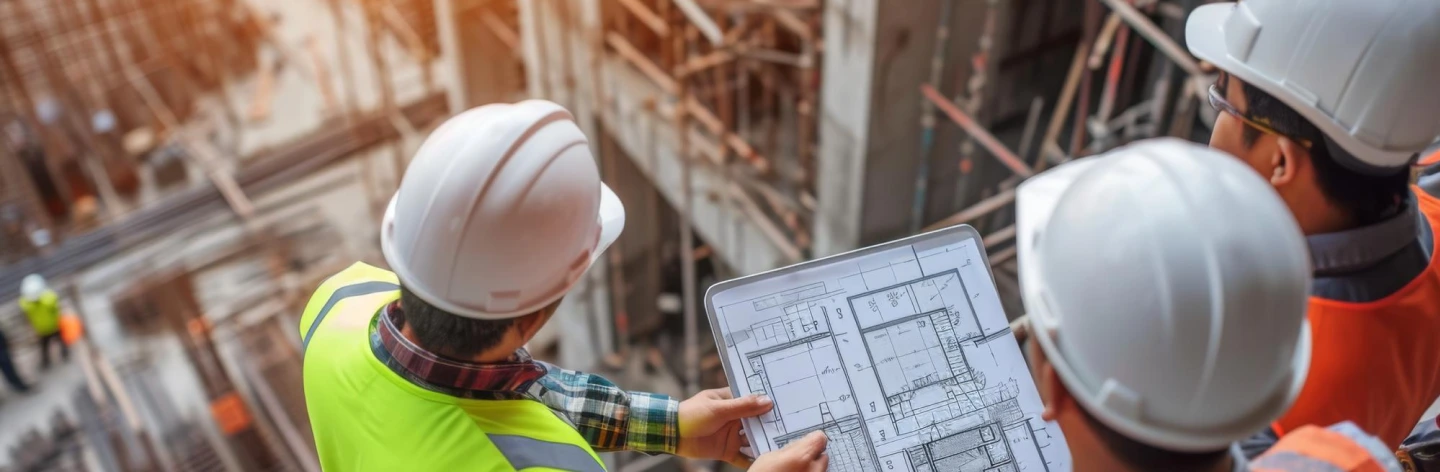
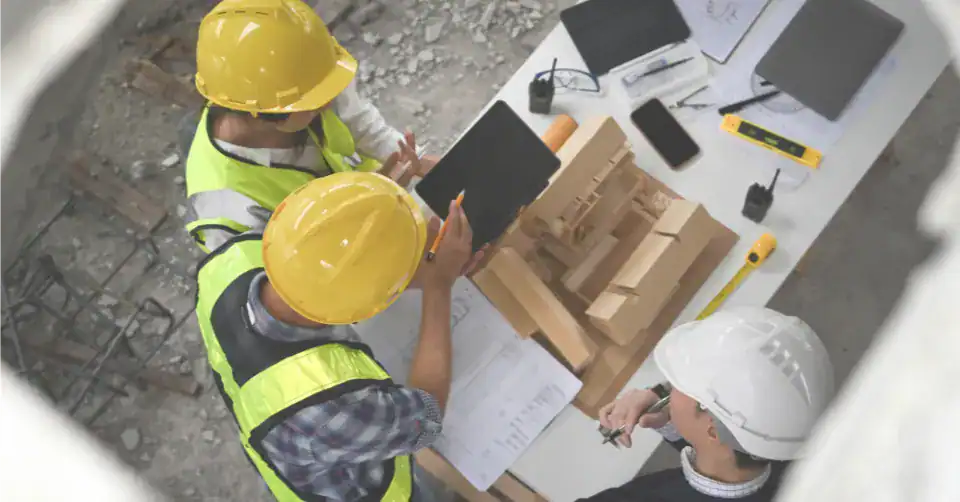
The world of commercial construction is evolving rapidly. Today, it’s not enough for buildings to be functional and aesthetically…
Financial institutions and healthcare facilities operate in environments where even minor disruptions can have serious consequences. That’s why facility…

Creating Secure and Efficient Banking Spaces Through Tenant Infill and Remodeling Financial institutions are constantly evolving to meet customer…
In the world of finance, security, efficiency, and regulatory compliance are not just priorities—they are necessities. Financial institutions require…
